Fitbit Charge 4
Key features
- Steps, heart rate and sleep tracking
- GPS built in
- Blood oxygen tracking
- 7-day battery life
- Fitbit Pay
- Notifications
- Spotify controller
- VO2 Max tracking
- Workout tracking modes
Here are our top picks for fitness trackers in 2021.
Key features
Key features
Key features
Key features
Learn more
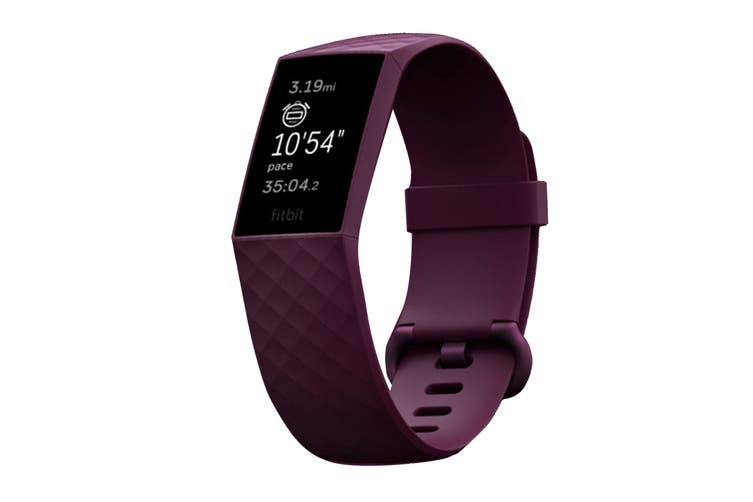
Listen up: the Fitbit Charge 4 isn't just the most powerful Fitbit tracker we've seen to date, but one of the most powerful fitness trackers, full stop.
It's a weakened field now that smartwatches are getting all the attention – but if you look at the sensors, data and features of the Charge 4, it's way more advanced than the likes of Samsung and Xiaomi have managed.
GPS is the big new addition, offering accurate tracking of runs and cycles from the wrist, and the Charge 4 also has an SpO2 sensor for blood oxygen, will monitor VO2 Max and resting heart rate.
One of its best features is Fitbit's brilliant sleep tracking data which is some of the most accurate we've tested. It's not infallible on the Charge 4, but insights are seriously good and you get sleep apnea data at night from the SpO2 sensor too. You can also get extra metrics – with seven days of heart rate variability, resting heart rate and breathing rate all shown in the Health Metrics section. If you're a Fitbit Premium user, you get a month's worth of data, and your personal range is shown within the app.
The Charge 4 is swim-proof with 5ATM water resistance, and will track and tag data from 20 sports, from HIIT and yoga to general workouts (although just basic calorie, HR and duration data).
It's a device for HIIT class go-ers, park runners and those who want to keep a real eye on the details of their health. If you're just a 10,000 steps a day person, you'll probably get annoyed with the Charge 4 giving you poor scores for Active Zone Minutes, which is its new metric that rewards users for getting heart rate into higher zones.
Likewise, committed runners and sweaters will find the Charge 4 undercooks in terms of analysis of workouts. But if you keep a close eye on your health, and you're absolutely certain a smartwatch isn't for you, this is the best fitness tracker available today.
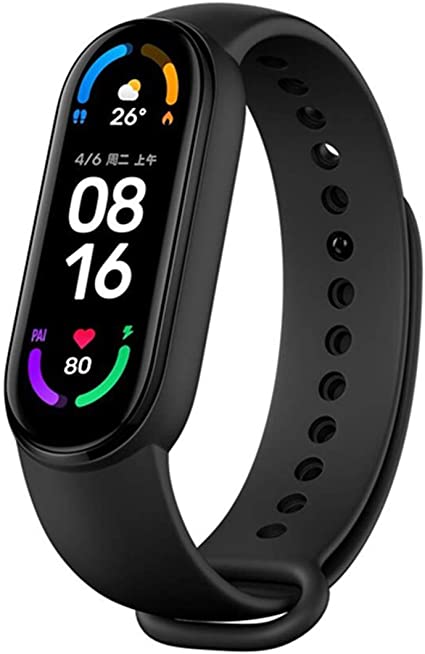
The Xiaomi Mi Smart Band 6 has now been launched, and it's one of the biggest overhauls of the budget fitness band in years. The screen size has been upped 50%, with a great-looking 1.56-inch AMOLED display now on board.
The amount of tracked sports has increased to 30, and there's now an SpO2 sensor for the tracking of blood oxygen. As well as spot checks, sleep oxygen levels are now reported alongside the full suite of sleep stages including REM. It's a hugely powerful tracker, although it still lacks GPS, which gives the Fitbit Charge 4 an advantage.
In terms of price, it's increased in the US and will go on sale for $59.99 – and this does challenge the notion of this being a top budget option when the Amazfit Band 5 is available for less. The EU and UK price has remained the same as the Mi Band 5 at £39.99, which feels like good value.
We've fully tested the device, and while it's not a huge step up from the Mi Band 5, the bigger screen and SpO2 make it a top tracker for 2021.
Sleep tracking is a highlight with loads of data about sleep stages and sleep quality – and the SpO2 sensor is used to good effect here for calculating sleep breathing, which can be a sign of sleep apnea. However, we did feel that although sleep duration was more accurate than other budget trackers, sleep scores were calculated too generously. Battery life is also upped to 14 days, although we found "normal use" in our testing to average about seven days, which is not too shabby.
Gripes remain about heart rate accuracy and the fiddly clasp, and the cheap strap, which makes it hard to get a snug fit and can easily be dislodged. What's more, the Mi app is difficult to navigate and doesn't offer the same analysis of health data as the likes of Fitbit or Amazfit. But for those that have a more passing interest in their health data, the Xiaomi Mi Band offers great value – like it always has done.
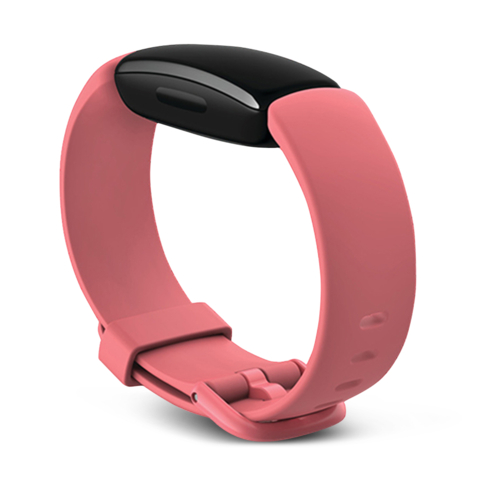
The Inspire 2 is a more traditional fitness tracker in terms of size, price and features – but it's surprisingly powerful and only a few key features short of the Fitbit Charge 4. It covers the basics, tracking steps, distance, calories burned and serving up inactivity alerts and it will also continuously monitor heart rate through the day and the night.
Fitbit's sleep tracking is excellent and you get the full experience here on the Inspire 2. You can still see a break down of sleep stages including the important REM ones.
Fitbit has added support for its new Active Zone Minutes feature, which is designed to hit target heart rate zones each week. That also joins the ability to train with heart rate zones and check your cardio fitness level inside the Fitbit app. And you can track runs and outdoor workouts via Connected GPS, if you take your phone with you – which many people will do anyway.
To complete the setup of health and fitness features, you'll also have support for menstrual health tracking and guided breathing exercises to help keep you calm. While it's certainly no Versa or Ionic, Fitbit does manage to squeeze in a couple of smartwatch-style features into the Inspire 2.
Like its predecessor, you'll be able to receive phone notifications from compatible Android phones and iPhones. This means that you can see incoming calls, texts and calendar appointments. If you own an Android phone, you can send quick replies when your phone is nearby.
The Inspire 2 offers a good mix of tracking basics, backed up by an app that remains as user-friendly as ever. The problem is that the competition is getting better at the extras the Inspire offers, such as sports tracking and smartwatch features.
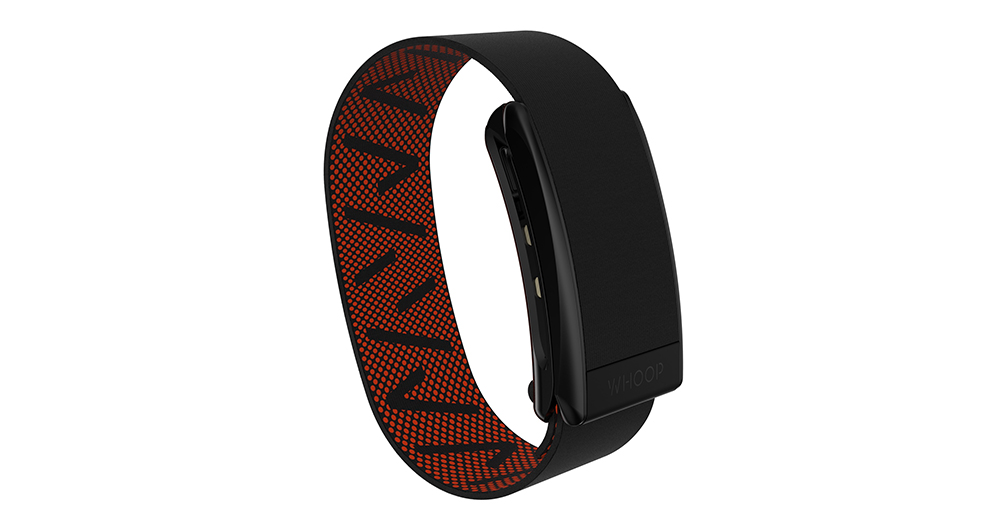
The best fitness tracker for hardcore gym-goers and trainers, the Whoop Strap 3.0 is more than just an activity band. When you're in the gym it can be placed anywhere on the arm – from bicep to wrist – to accurately track heart rate during sessions.
But it's more than just a gym tracker. It focuses on recovery by keeping tabs on heart rate and sleep. Between workouts, Whoop tracks heart rate variability, which can reveal how rested and recovered your body is by measuring the time between heart beats. This is used alongside the Whoop’s excellent sleep tracking, too estimate how your body has recovered from your last workout.
Whoop assigns a sleep quality score based on the duration of your sleep measured against your prescribed ‘sleep need’, as well as your time spent in the various sleep stages such as REM and Slow Wave Sleep (often referred to as ‘Deep’ sleep).
It will also factor in data on sleep conditions, such as whether you had any caffeinated or alcoholic drinks, worked on a screened device or shared your bed.
This is all used to advise you when to train, and when to take a day off. This is presented with a single number: the Strain Score. Of course, this isn't a band for those looking to take a few more daily steps (it doesn't actually track steps at all), but for seasoned gym-goers it's the best option on offer.
But it costs. There's a $25 per month subscription, with a minimum term of six months – but you get the Whoop Strap 3.0 for free. You can pay less, with $21 subscriptions available if you sign up for 18 months and put some cash up front.